
Introduction
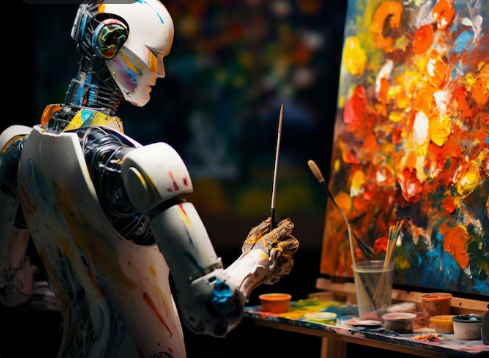
Art has always evolved alongside technology, from the invention of photography to the rise of digital painting. Today, artificial intelligence is introducing another creative possibility through a developing artistic approach known as neural realism. This style combines the visual accuracy of realistic imagery with the imaginative capabilities of machine learning, producing artwork that can appear familiar and extraordinary at the same time.
Neural realism is more than simply generating realistic pictures with artificial intelligence. It represents an exploration of how machines interpret visual patterns, textures, lighting, and artistic concepts to create images that challenge traditional boundaries between reality and imagination.
What Is Neural Realism?
Neural realism is an emerging term used to describe AI-assisted artwork that combines convincing realistic details with imaginative, stylized, or unconventional visual elements. Unlike traditional realism, which focuses on accurately representing the visible world, neural realism can introduce fictional environments, unusual perspectives, and combinations of objects that do not exist in everyday life.
For example, an artist might use AI to create a realistic portrait surrounded by impossible architectural structures or a natural landscape featuring dreamlike lighting and unfamiliar textures.
These creations can look believable while presenting scenes that could never be photographed.
How Machine Intelligence Creates New Artistic Styles
Artificial intelligence image systems rely on machine learning models trained to recognize relationships among visual elements and, in many cases, descriptions of those elements.
These systems learn statistical patterns associated with shapes, colors, textures, compositions, and artistic techniques. When given instructions, they can generate images that combine those learned patterns in new arrangements.
Several technological capabilities contribute to neural realism.
1. Advanced Image Generation
Modern generative models can produce detailed images based on written descriptions, reference images, or other creative inputs. Artists can experiment with combinations of visual styles without manually constructing every element.
2. Realistic Lighting and Textures
AI systems can simulate the appearance of reflections, shadows, fabric, skin, and natural materials. These details make imaginary scenes appear visually convincing.
3. Creative Style Blending
Machine intelligence allows artists to combine influences from photography, traditional painting, cinematic imagery, and digital illustration.
A single composition might feature realistic human figures, abstract backgrounds, and surreal architectural forms.
4. Rapid Artistic Experimentation
Artists can explore multiple compositions, color palettes, and visual directions within a relatively short period. This flexibility encourages experimentation and helps creators discover unexpected artistic possibilities.
The Difference Between Neural Realism and Traditional Realism
Traditional realism generally emphasizes careful observation and accurate representation. Painters and photographers work with subjects, lighting, perspective, and composition to communicate the appearance of the physical world.
Neural realism uses similar visual principles but does not need to follow physical reality.
An artist can create a detailed city floating above an ocean, a portrait composed of botanical patterns, or a realistic landscape illuminated by several imaginary suns.
The resulting artwork may preserve realistic textures and proportions while introducing impossible subjects.
This combination creates an interesting contrast between visual credibility and artistic fantasy.
Why Neural Realism Is Attracting Creative Interest
One reason AI-assisted realism attracts attention is its ability to expand creative possibilities.
Artists who previously needed advanced technical skills or extensive production resources to visualize complex concepts can now experiment with detailed scenes using accessible digital tools.
The approach also encourages collaboration between human creativity and computational processes.
The artist develops the concept, chooses visual directions, evaluates results, and refines the composition. The AI system helps produce and transform the imagery.
Rather than replacing artistic decisions, this process can shift attention toward creative direction, storytelling, and experimentation.
Applications of Neural Realism in Creative Industries
Neural realism can influence several creative fields.
Digital Art and Illustration: Artists can develop imaginative portraits, fantasy landscapes, and experimental compositions with realistic visual details.
Film and Entertainment: Creative teams can use AI-assisted imagery to explore environments, characters, and visual concepts during early production.
Advertising and Branding: Designers can develop distinctive visual concepts that combine recognizable products with imaginative settings.
Fashion Design: Fashion professionals can experiment with unconventional materials, futuristic clothing, and conceptual photography.
Architecture and Interior Design: Designers can visualize speculative spaces and unconventional architectural concepts before creating detailed technical plans.
These applications demonstrate how machine-generated imagery can support visual exploration across industries.
Challenges and Ethical Considerations
Despite its creative potential, neural realism raises important questions about originality, authorship, and artistic ownership.
AI image models may be trained using large collections of existing artwork and photographs, sometimes without clear permission from their creators. This creates concerns surrounding copyright, fair compensation, and the responsible use of creative material.
Another challenge involves transparency. Highly realistic AI-generated images may be mistaken for genuine photographs, particularly when presented without context.
Artists and organizations should consider disclosing AI involvement when appropriate, respecting intellectual property, and avoiding misleading representations.
Human judgment remains important for ensuring that creative experimentation is both meaningful and responsible.
The Future of Neural Realism
As machine learning systems become more capable, AI-assisted artistic techniques are likely to develop further.
Future tools may provide greater control over composition, character consistency, lighting, materials, and individual visual elements. Artists could move more easily between hand-drawn concepts, three-dimensional environments, and generated imagery.
Rather than developing into one fixed visual style, neural realism may evolve into a broad collection of creative techniques that combine realism with computational imagination.
Its long-term significance will depend not only on technological progress but also on how artists use these capabilities to communicate personal ideas and perspectives.
Conclusion
Neural realism represents an evolving intersection of artistic imagination and machine intelligence. By combining realistic visual details with unconventional concepts, it opens new possibilities for digital creativity.
Although AI can generate complex imagery, meaningful artistic expression still depends on human choices, interpretation, and purpose.
As creative technologies continue to advance, neural realism may become an increasingly influential approach to visual storytelling, encouraging artists to explore worlds that feel real even when they exist only in imagination.
Read More : Sculpting with Sound: Kinetic Artworks Driven by Acoustic Waves