
Introduction
As urban populations grow and living spaces become smaller, homeowners and renters are discovering innovative ways to make every square foot count. Modular micro-furniture has emerged as a practical solution for transforming ultra-compact apartments, studio homes, and multipurpose rooms into comfortable, functional environments.
Unlike traditional furniture, modular micro-furniture focuses on adaptability, efficient storage, and multifunctional design. These compact pieces can be rearranged, folded, expanded, or combined to accommodate different activities without overwhelming limited floor space.
What Is Modular Micro-Furniture?
Modular micro-furniture refers to small-scale furniture designed with interchangeable components and flexible configurations. Instead of serving a single purpose, these pieces can perform multiple functions depending on the user’s needs.
For example, a modular sofa may transform into a guest bed, while a compact dining table can fold against the wall when not in use. Stackable storage cubes can serve as shelves, seating, or room dividers.
The primary goal is to maximize functionality while minimizing the physical space occupied by furniture.
1. Creating Flexible Living Room Layouts
Living rooms in compact apartments often serve several purposes, including relaxation, entertainment, dining, and working.
Modular seating systems allow residents to rearrange individual sections according to their daily activities. Lightweight ottomans can provide additional seating, hidden storage, or temporary coffee tables.
Nesting tables are another practical addition. They offer multiple surfaces when needed and slide together when extra floor space is required.
By choosing adaptable furniture, homeowners can create a living room that evolves throughout the day without requiring permanent changes.
2. Transforming Bedrooms Into Multipurpose Spaces
Bedrooms frequently occupy a significant portion of small homes, making them ideal candidates for space-saving furniture.
Murphy beds, foldable sleeping platforms, and convertible sofa beds allow sleeping areas to serve additional functions during daytime hours.
Modular wardrobes with adjustable shelving provide customized storage for clothing, accessories, and personal belongings.
Some innovative furniture systems combine beds, desks, and storage compartments into a single structure. These arrangements are particularly useful for studio apartments where separating sleeping and working areas can be challenging.
3. Designing Compact Home Workstations
Remote work has increased the need for functional home offices, even in apartments with limited space.
Wall-mounted folding desks, mobile storage units, and adjustable work surfaces offer flexible workstation solutions.
A modular desk can be expanded during working hours and reduced to a compact console afterward. Rolling drawer units can move between different rooms, providing storage wherever it is needed.
Vertical shelving also helps organize documents, electronics, and office supplies without consuming valuable floor space.
These solutions make it possible to create productive work environments without dedicating an entire room to office furniture.
4. Maximizing Storage With Modular Systems
Storage is one of the biggest challenges in ultra-compact homes.
Modular furniture addresses this problem by integrating storage into everyday objects. Benches with concealed compartments, stackable cabinets, and storage ottomans keep essentials organized while maintaining a clean appearance.
Vertical storage systems are especially effective because they utilize wall space rather than floor space.
Adjustable shelving allows homeowners to modify storage arrangements as their needs change. This flexibility reduces the need to purchase additional furniture over time.
5. Using Furniture to Define Different Zones
Open-plan apartments often lack permanent divisions between living, dining, and sleeping areas.
Modular furniture can create visual boundaries without requiring walls.
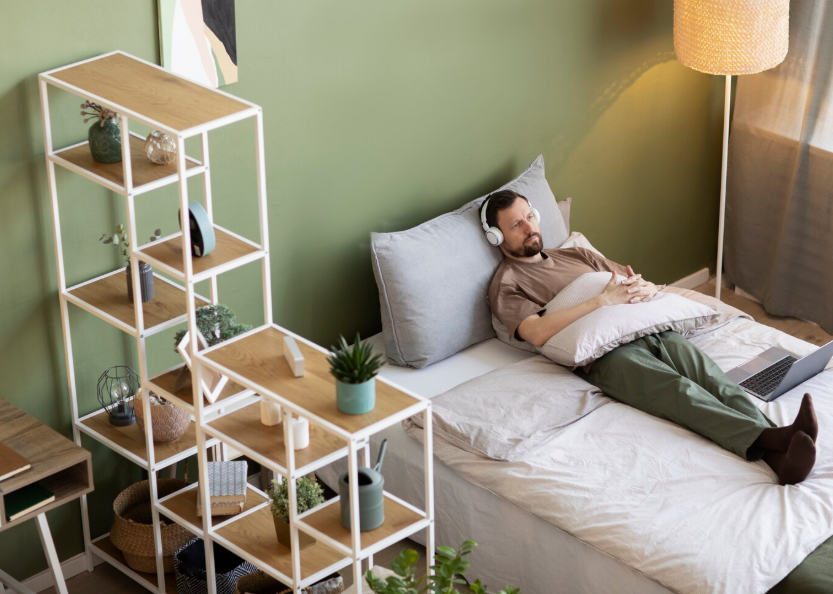
Open shelving units, movable partitions, and compact storage cabinets help establish separate functional zones while maintaining an open atmosphere.
For example, a modular bookshelf positioned between a sofa and bed can provide storage while creating a sense of privacy.
Furniture with wheels offers even greater flexibility, allowing residents to change the layout for social gatherings, work sessions, or everyday activities.
6. Choosing Materials and Styles for Small Spaces
The materials and visual appearance of modular furniture can significantly influence how spacious a room feels.
Light-colored wood, slim metal frames, and neutral upholstery create a clean and airy appearance. Transparent or open-frame designs can also reduce visual clutter.
Durable materials are particularly important because multifunctional furniture often experiences frequent movement and adjustment.
Homeowners should prioritize sturdy connections, smooth folding mechanisms, and easy-to-maintain surfaces.
A consistent color palette helps different modular pieces feel connected, creating a cohesive interior rather than a collection of unrelated objects.
7. Smart Planning Before Purchasing Modular Furniture
Successful compact-space design begins with accurate measurements and an understanding of daily routines.
Before purchasing furniture, consider the dimensions of the room, walking paths, door clearance, and available wall space.
It is also important to measure furniture in both its compact and expanded positions. A folding dining table may fit perfectly when closed but obstruct movement when fully extended.
Choose furniture according to actual needs rather than purchasing pieces simply because they offer multiple features.
A well-planned selection of functional furniture often produces better results than filling a room with too many convertible products.
The Future of Modular Micro-Furniture
Furniture designers are increasingly exploring adaptable systems that respond to changing lifestyles.
Future developments may include improved lightweight materials, tool-free assembly, interchangeable components, and more sustainable manufacturing practices.
Digital design tools may also make it easier for customers to customize furniture dimensions and configurations according to their available space.
As flexible living becomes more common, modular micro-furniture is likely to play an increasingly important role in modern residential interiors.
Conclusion
Modular micro-furniture offers an effective way to transform ultra-compact spaces into versatile, organized, and visually appealing homes.
Through convertible seating, flexible workstations, integrated storage, and movable room dividers, small interiors can support multiple daily activities without sacrificing comfort.
The key to successful compact living is not simply choosing smaller furniture but selecting adaptable pieces that make every square foot more useful.
Read More : Senior Pet Wellness: Adjusting Diets and Movement for Aging Companions