
Introduction
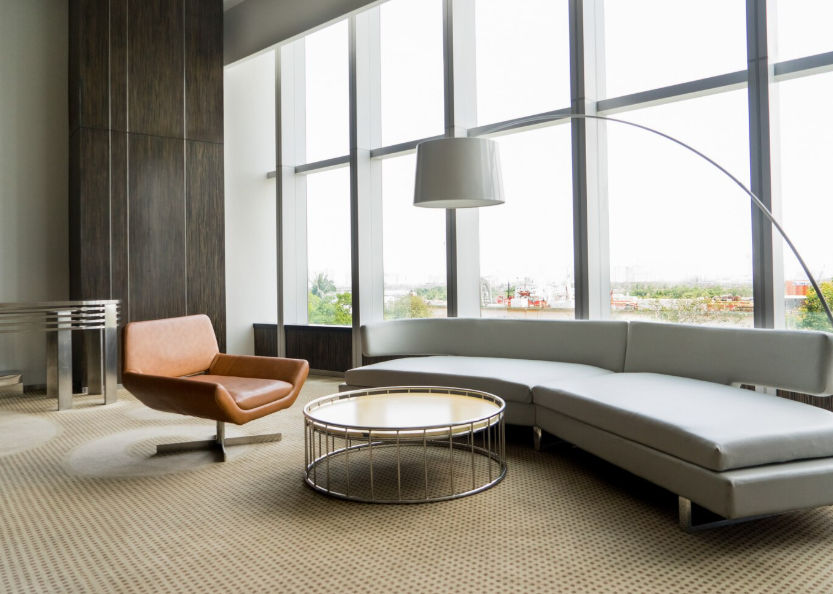
Modern living rooms are designed to be beautiful, comfortable, and functional. However, open floor plans, hardwood floors, large windows, and minimalist furniture can create an unexpected problem: excessive noise and echo. While these design elements contribute to a contemporary appearance, they often allow sound waves to bounce between hard surfaces.
Acoustic dampening aesthetics offers a practical solution by integrating sound-absorbing materials into interior design. Rather than sacrificing style for functionality, homeowners can create sophisticated spaces that look attractive while providing a quieter and more relaxing environment.
Understanding Acoustic Dampening in Interior Design
Acoustic dampening refers to reducing unwanted sound reflections and reverberation within a room. Sound travels through a space and reflects off surfaces such as glass, concrete, tile, and bare walls. When too many reflective surfaces are present, conversations become less clear, television audio feels overwhelming, and background noise becomes distracting.
Sound-absorbing materials help control these reflections by converting some sound energy into small amounts of heat.
It is important to distinguish sound absorption from soundproofing. Absorption improves acoustic comfort inside a room, while soundproofing focuses on reducing sound transmission between spaces.
Modern interior design increasingly incorporates acoustic solutions that complement furniture, lighting, and architectural details.
1. Decorative Acoustic Wall Panels
One of the most effective ways to combine sound absorption with contemporary aesthetics is through decorative acoustic wall panels.
These panels are available in various materials, including fabric-covered fiberglass, polyester felt, and wooden slat systems with acoustic backing.
Homeowners can select panels that match their preferred design style. Geometric felt panels introduce artistic patterns, while wooden slat panels create a warm, architectural appearance.
Installing acoustic panels behind a sofa or along a feature wall can reduce reflections while establishing a visually appealing focal point.
For better results, panels should be positioned according to the room’s reflective surfaces rather than purely for decoration.
2. Using Soft Furnishings to Control Noise
Soft furnishings provide one of the simplest ways to improve living room acoustics without major renovations.
Thick rugs, upholstered sofas, fabric cushions, and textured curtains absorb some reflected sound while making the space feel inviting.
For example, placing a large area rug over hardwood flooring can reduce sharp reflections and soften footstep noise. Similarly, floor-length curtains can help control reflections around large windows.
Furniture upholstery also contributes to acoustic balance. A fabric sofa generally offers more sound absorption than a similarly shaped leather sofa.
Layering different textures creates visual depth while supporting a quieter indoor environment.
3. Acoustic Curtains for Modern Windows
Large glass windows are common in contemporary homes because they allow natural light to enter and create a sense of openness. However, glass is highly reflective to sound.
Acoustic curtains provide a practical decorative option for managing these reflections.
Heavy, densely woven fabrics with generous folds are generally more effective at absorbing sound than thin decorative curtains.
Neutral shades such as beige, charcoal, cream, and muted green can complement modern interiors without dominating the design.
Although acoustic curtains may slightly reduce some noise entering through windows, they should not be considered a complete replacement for properly insulated glazing.
4. Incorporating Acoustic Furniture
Furniture can play an important role in creating an acoustically comfortable living room.
Modern acoustic furniture includes upholstered seating, high-backed lounge chairs, fabric-covered partitions, and decorative storage units with sound-absorbing surfaces.
A generously upholstered sectional sofa can help soften reflections, while fabric-backed shelving can introduce additional acoustic treatment.
Strategically arranged furniture also breaks up large reflective areas and can scatter sound in different directions.
The goal is to create a balanced environment without making the room feel overcrowded.
5. Natural Materials and Acoustic Comfort
Natural materials are increasingly popular in modern home decor because they add warmth and texture.
Cork wall coverings, wool rugs, felt accessories, and certain natural-fiber textiles can contribute to sound absorption.
Wooden acoustic slat panels are another attractive option, particularly when combined with a suitable absorptive backing.
These materials work well with Scandinavian, minimalist, and contemporary interior styles.
However, not every natural material is an effective sound absorber. Solid wood, for instance, often reflects sound unless incorporated into a properly designed acoustic system.
Choosing materials based on both visual appearance and acoustic performance produces better results.
6. Combining Acoustic Design With Lighting
Lighting can transform acoustic treatments into intentional architectural features.
For example, LED strip lighting installed near wooden slat panels can highlight their texture and create a sophisticated atmosphere.
Wall-mounted acoustic panels can also function as decorative artwork when paired with carefully positioned accent lighting.
Warm lighting enhances the appearance of fabric, felt, and natural wood finishes, producing a welcoming environment.
This approach allows homeowners to incorporate acoustic elements without making the living room resemble a recording studio.
7. Maintaining Minimalism Without Excessive Echo
Minimalist interiors often feature open spaces, limited furnishings, and smooth surfaces. While visually appealing, these characteristics can increase reverberation.
Fortunately, acoustic improvements do not require excessive decoration.
A large textured rug, a few carefully positioned acoustic panels, and well-selected upholstered furniture can make a noticeable difference.
Homeowners should focus on integrating effective sound-absorbing elements into existing design features.
This preserves the clean appearance associated with minimalism while improving speech clarity and everyday comfort.
8. Planning an Acoustically Balanced Living Room
Before purchasing acoustic products, homeowners should evaluate how their living room is used.
Spaces primarily designed for watching television may benefit from absorbing reflections near seating areas and along surrounding walls.
Living rooms used for conversations and entertaining may require a balanced combination of rugs, upholstered furniture, curtains, and wall treatments.
Room dimensions, ceiling height, and surface materials also influence acoustic performance.
For larger spaces or rooms with significant echo, professional acoustic assessment can help determine the appropriate placement and amount of treatment.
The best acoustic designs achieve comfort without eliminating every reflection, allowing the room to maintain a natural and pleasant sound.
Conclusion
Acoustic dampening aesthetics represents an important evolution in modern living room design. It demonstrates that attractive interiors and practical sound management can work together.
By incorporating decorative acoustic panels, soft furnishings, curtains, natural materials, and thoughtful furniture arrangements, homeowners can reduce unwanted reflections while preserving their preferred style.
Whether designing a minimalist apartment or a spacious contemporary home, integrating sound absorption can create a more peaceful, comfortable, and visually appealing living environment.
Ultimately, a well-designed living room should not only look beautiful but also sound comfortable.
Read More : Circadian Rhythm Alignment: Restructuring Daily Routines Around Natural Light