
Introduction
Coastal cities have always attracted residents because of their natural beauty, economic opportunities, and access to transportation and trade. However, rising sea levels, stronger storms, coastal erosion, and increasingly unpredictable rainfall are creating significant challenges for communities living near the shoreline. As climate conditions change, traditional housing designs may no longer provide adequate protection against flooding and extreme weather.
Climate-adaptive urban design offers a practical approach to addressing these challenges. By combining resilient architecture, sustainable infrastructure, and thoughtful land-use planning, coastal communities can create safer living environments while maintaining their social, economic, and environmental value.
Understanding Climate-Adaptive Urban Design
Climate-adaptive urban design focuses on developing buildings, neighborhoods, and public spaces that can respond effectively to changing environmental conditions.
Instead of relying entirely on conventional construction methods, this approach integrates climate risk assessments, flexible infrastructure, and nature-based solutions into urban development.
For coastal housing, adaptation often involves elevating structures, improving drainage systems, selecting water-resistant materials, and designing communities around potential flood risks.
The objective is not simply to protect individual homes but to create neighborhoods capable of managing environmental disruptions while supporting long-term community well-being.
Elevated Housing and Flood-Resistant Architecture
One of the most effective strategies for reducing flood damage is constructing homes above expected flood levels.
Elevated foundations, reinforced columns, and properly engineered pile systems can help protect living spaces from rising water. These designs are particularly useful in coastal regions where storm surges and tidal flooding are recurring concerns.
Architects may also incorporate flood-resistant materials such as concrete, treated masonry, and corrosion-resistant components in areas exposed to water.
In some suitable locations, amphibious housing offers another possibility. These structures remain grounded during normal conditions but can rise vertically when floodwaters increase.
However, successful implementation requires careful engineering, maintenance planning, and compliance with local building regulations.
Integrating Nature-Based Flood Protection
Natural ecosystems can play an important role in protecting coastal communities from flooding.
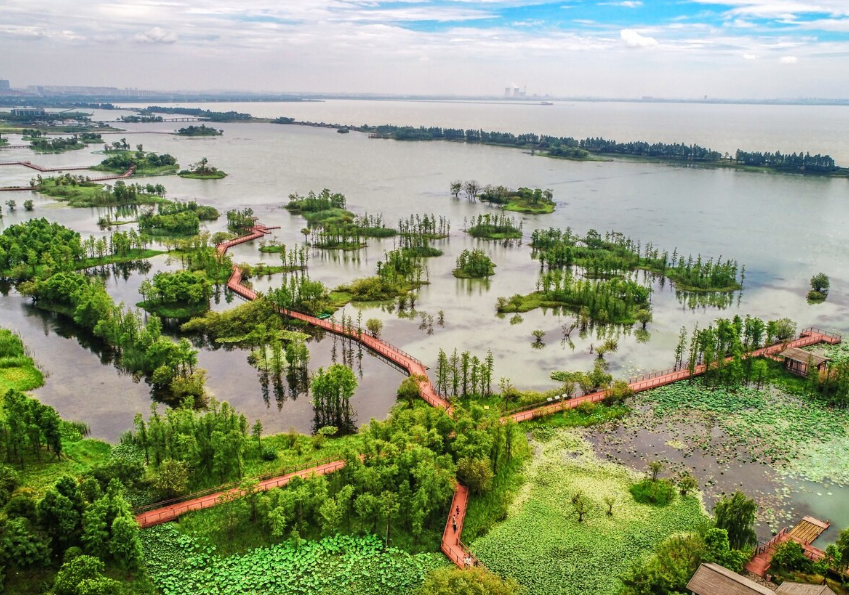
Mangrove forests, wetlands, dunes, and coastal vegetation help absorb wave energy, stabilize shorelines, and reduce erosion. Preserving these ecosystems can complement engineered flood defenses.
Urban planners are increasingly exploring green infrastructure, including rain gardens, permeable pavements, vegetated drainage channels, and retention ponds.
These systems help manage stormwater by allowing rainfall to infiltrate the ground or temporarily collect in designated areas.
By combining ecological restoration with conventional drainage infrastructure, cities can improve flood management while creating healthier and more attractive environments.
Smart Technology for Coastal Flood Management
Modern technology is transforming how coastal neighborhoods prepare for flooding.
Digital flood maps, geographic information systems, and predictive modeling tools allow planners to assess vulnerabilities before development begins.
Water-level sensors and real-time monitoring systems can provide early warnings when rainfall, tides, or storm surges create dangerous conditions.
Smart drainage infrastructure can also help authorities monitor water accumulation and manage pumping systems more effectively.
When integrated into city planning, these technologies support informed decisions about construction, evacuation routes, emergency services, and infrastructure investment.
Designing Resilient Coastal Communities
Flood resilience should extend beyond individual buildings.
Neighborhood layouts must consider safe transportation routes, emergency shelters, accessible public spaces, and reliable utility systems.
Critical infrastructure, including electrical equipment, telecommunications, and essential water services, should be located or protected to reduce flood-related disruption.
Urban planners may also establish designated flood storage areas, preserve natural drainage corridors, and limit development in locations exposed to severe coastal hazards.
Community participation is equally important. Residents can provide valuable information about historical flooding, local drainage problems, and neighborhood needs.
Inclusive planning helps ensure that resilience improvements benefit existing communities rather than creating housing solutions accessible only to higher-income residents.
Sustainable Materials and Energy-Efficient Housing
Flood-resilient housing should also support environmental sustainability.
Durable building materials, energy-efficient ventilation, passive cooling, and renewable energy systems can improve long-term housing performance.
Coastal construction requires special attention to saltwater exposure, humidity, and corrosion. Proper material selection and regular maintenance can extend building life and reduce repair costs.
Solar power combined with appropriately protected battery storage may improve energy resilience during certain disruptions, provided systems are installed above relevant flood elevations and meet electrical safety standards.
Designing homes for both climate adaptation and energy efficiency can reduce environmental impacts while improving everyday comfort.
Challenges in Implementing Flood-Resilient Housing
Despite its advantages, climate-adaptive housing presents several challenges.
Higher initial construction costs, limited land availability, complex regulations, and the need for specialized engineering can slow implementation.
Existing coastal neighborhoods may also require expensive retrofitting to meet modern resilience standards.
Additionally, some locations face risks that cannot be adequately addressed through building-level adaptation alone.
In these areas, restricting new development, restoring natural buffers, or considering planned relocation may offer safer long-term solutions.
Successful adaptation therefore requires cooperation among governments, architects, engineers, property developers, and local communities.
The Future of Coastal Urban Living
As climate risks continue to evolve, coastal development must increasingly prioritize flexibility and long-term safety.
Future housing projects may combine elevated structures, adaptive public spaces, intelligent monitoring systems, and restored coastal ecosystems.
Rather than treating flooding solely as an emergency, urban designers can incorporate water management into the everyday functioning of cities.
This approach encourages communities to anticipate environmental challenges and invest in systems capable of responding to changing conditions.
Conclusion
Climate-adaptive urban design is becoming essential for creating safer housing in vulnerable coastal zones. Through flood-resistant architecture, nature-based protection, smart technology, and responsible land-use planning, communities can reduce exposure to flooding and strengthen their ability to recover from extreme weather.
Although no design can eliminate every coastal hazard, thoughtful planning and continued investment can significantly improve housing resilience.
The future of coastal living depends on creating communities that work with natural environmental systems while protecting the people, infrastructure, and resources that sustain them.
Read More : Autonomous Fleet Logistics: The Invisible Backbone of Future Transit