
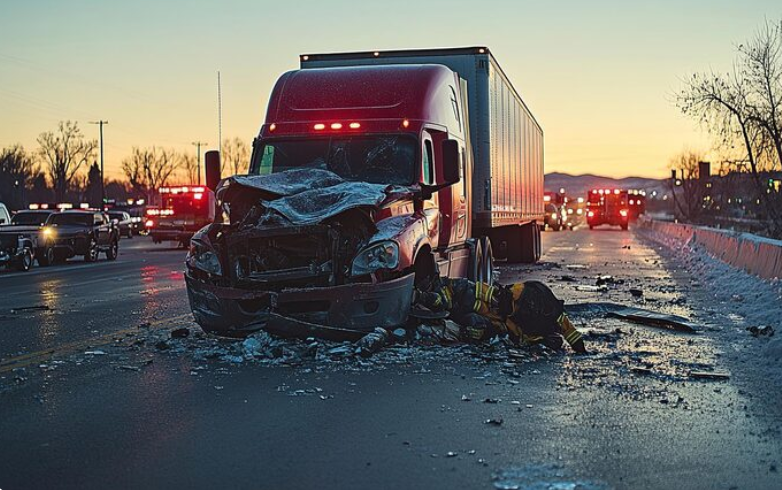
If you were in a truck accident, you may have a destroyed car and a lot of questions, not to mention serious injury. One of the biggest questions of them all is, “Who is at fault for the accident?” The trucking company or the truck driver or somebody else? I-95, I-64, Route 288, the heavily traveled routes of Richmond, Virginia, are used by commercial trucks. The number of trucks is dangerous to other drivers. Helpful evidence in the event of an accident might indicate what went wrong. Truck accident cases might involve several parties and a lot of paperwork. Knowing what constitutes relevant or important evidence can help protect the rights of victims and receive the benefits they are entitled to.
Why Is Evidence Important in Truck Accident Cases?
Evidence can reveal what happened in a crash and who may be at fault. It can help prove the victim’s story and counter the lies of the insurance company. Truck accident cases can be more complicated than average vehicle accident situations. Commercial trucks will typically contain logs of their settings, the driver’s logs, and repair logs. These documents may hold valuable information concerning the accident. In fact, the sooner victims can get saving evidence started, the better. Records and video footage could be lost.
1. Police reports may contain details on the event
In a truck crash, a police report is usually one of the first things people look at. The officers may record where the crash occurred, road conditions, damage the car incurred, and what the drivers said. The report may also include traffic citations or possible safety issues. This information can be used to determine whether the driver breached any traffic laws. But the police report may not be the last word. A thorough claim may require more records, witness statements, and expert analyses.
2. Photos and videos may say a lot
Photos from the scene of the accident can help explain the narrative. They can reveal damage to vehicles, skid marks, road signs, traffic lights, and debris. Even better, if you can get it, is video footage. Traffic cameras, dashcams, and cameras from neighboring businesses can catch the bigger picture before the impact took place. For example, the footage may show a truck running a red light or making a sudden lane change. It can be useful to have such footage when confirming what caused the crash. Victims should duplicate any photos/logs/videos that they can securely retrieve. Older models have cameras that may be able to write over images to wipe the footage so that the system can delete incriminating video.
3. Driver logs/log books (electronic retrieval)
Electronic Logging Devices (ELDs) in Commercial Trucks It tracks how long the driver spends on the road and helps to meet hours-of-service requirements. Driver logs can indicate if someone was driving too long without adequate rest. Fatigue slows your reaction time and causes more accidents. Electronic control units on other trucks. These devices can monitor speed, braking, and engine action. This information can help demonstrate what the truck was doing before the crash. Can also indicate whether the driver was trying to slow down or stop.
4. Truck Inspection and Maintenance Records
A truck must be safe before it travels on the roads. Poor maintenance or lack of repairs may result in brake failure, tire blowouts, and steering difficulties. Maintenance data can demonstrate if the truck owner repaired recognized defects. Inspection reports may potentially show known issues before the crash. These files could be important in a claim if a corporation did not notice a safety violation. They can assist in establishing if improper truck maintenance was a factor.
5. Statements From Witnesses Could Support Your Claim
Witnesses to the crash might remember something the drivers don’t remember or know. A witness might remember the speed of the truck, where it was in the traffic, or the traffic light. Their statements may corroborate other evidence. They can also deny charges against the wounded driver. If feasible, victims should obtain the names and contact information of witnesses. A lawyer can assist in securing full statements later.
6. Medical Records Can Show the Damage You Sustained
Evidence can not only demonstrate who caused the crash. It should also help establish how the person was injured in the collision. Medical documents can help establish a relationship between injuries and the truck accident. They can comprise doctor reports, test results, treatment regimens, and hospital notes. Save medical expenses, rehab expenditures, and lost employment records. These records can demonstrate the financial and human cost of the catastrophe.
Who Is Liable for a Richmond Truck Accident?
The truck driver may be liable, but others could be too. Who is responsible for a claim will depend on the facts of your case. Potential parties at fault include:
- Truck drivers: For speeding, weariness, distraction, or risky maneuvers.
- Trucking companies: For poor training, bad work rules, or for not carrying out safety checks.
- Truck owners: For bad vehicle maintenance.
- Cargo loaders: When loose or uneven loading causes a crash.
- Repair shops: If the job is so inadequate that it leads to a mechanical failure.
Being aware of everyone involved, as well, might help victims comprehend their legal alternatives.
How Can a Richmond Truck Accident Attorney Help Me?
Without the support of a lawyer, it can be difficult to acquire truck accident evidence. It can be more difficult for victims to collect records from trucking companies and insurance companies. Price Benowitz Accident Injury Lawyers, LLP takes on a multitude of motor vehicle accident claims in Richmond, Virginia. This includes bus accidents, vehicle accidents, motorbike accidents, truck accidents, bicycle accidents, and pedestrian accidents. The business also handles spinal cord injury and serious burn injuries cases among plaintiffs. How does a Richmond truck accident attorney help? A skilled Richmond truck accident lawyer will analyze police reports, subpoena trucking records, and interview witnesses. They can also help victims negotiate with insurers and receive compensation for injuries. Virginia has a strong law of contributory negligence. If the injured party is even somewhat at fault, he or she may be prevented from recovering any damages. That is why strong proof is such a hot-button issue. Generally, Virginia allows victims two years to initiate a personal injury lawsuit. There are certain exceptions, therefore victims should speak with a lawyer early on.
Frequently Asked Questions
- What Is the Best Evidence to Use in a Truck Accident Case?
Useful evidence includes police reports, photographs, videos, witness accounts, and trucking data.
Driver logs and maintenance records can also demonstrate safety hazards. Medical records might also reveal crash injuries and expenditures.
- Can video footage from truck cameras help establish who was at fault?
Yes. For example, dashcam video footage can record how the crash occurred.
Footage can prove speeding, hazardous lane changes, or failure to stop. Victims need to act soon, because some systems delete old footage.
- Where can I obtain the truck driver’s electronic records?
From the trucking business or others?
By law, a lawyer may have records and trucking data. Prompt action can save you from losing vital records.
- When Is a Trucking Company Responsible in a Crash?
Yes. A corporation may be responsible for unsafe work rules, insufficient training of a driver or improper care of a truck.
It may also be responsible for the behavior of a driver performing assigned duties. Who may be held legally liable will depend on the facts and evidence.
- What is the Virginia statute of limitations to file a truck accident lawsuit?
Virginia normally permits two years to initiate a personal injury case.
Other types of cases have various timelines based on the specifics of the case. Obtaining early legal guidance helps safeguard your damages.